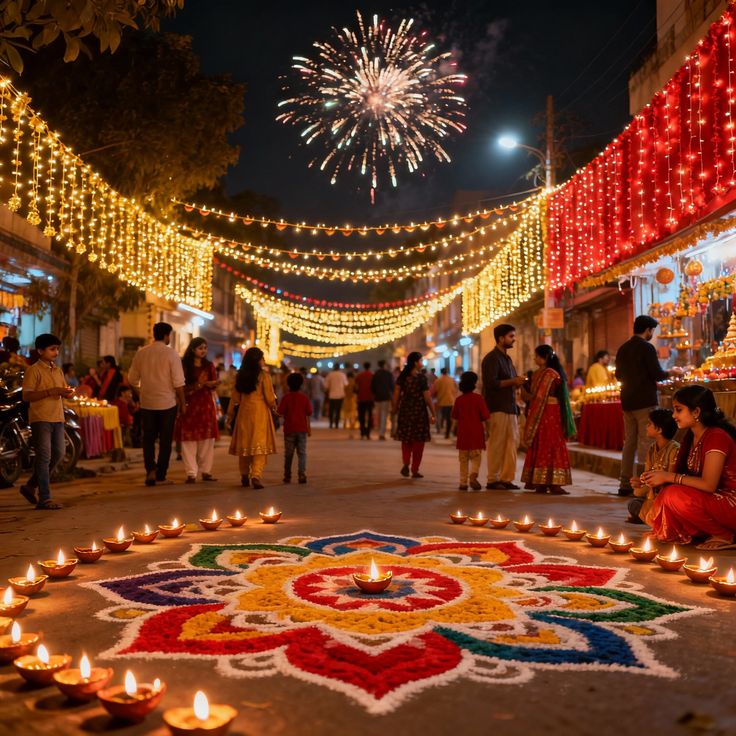

An Indian wedding is one of the most vibrant, emotional, colorful, and culturally rich celebrations in the world because it combines family traditions, religious rituals, music, fashion, food, dance, spirituality, hospitality, and emotional bonding into a grand social event. Indian weddings are not only ceremonies between two individuals but also celebrations that unite families, communities, and generations through customs and traditions that have evolved over centuries. Every region, religion, language, and community in India follows unique wedding rituals and practices, making Indian weddings incredibly diverse and meaningful. Despite regional differences, Indian marriages generally symbolize love, commitment, respect, family unity, prosperity, and spiritual connection.
Indian weddings are often large multi-day celebrations involving numerous rituals, ceremonies, music events, traditional clothing, luxurious decorations, cultural performances, photography, and elaborate hospitality arrangements. Weddings in India are deeply influenced by religion, culture, regional customs, and family values. Hindu, Muslim, Sikh, Christian, Jain, Buddhist, and interfaith weddings all follow different traditions while sharing common themes of celebration and emotional significance.
Family involvement is one of the most important aspects of Indian weddings because marriage is traditionally considered a union of families rather than only a relationship between two individuals. Parents, grandparents, siblings, relatives, and community elders actively participate in wedding planning, rituals, hospitality, decision-making, and celebrations. Indian weddings often strengthen social relationships and family bonds across generations.
Marriage traditions in India have ancient historical roots connected to religion, spirituality, social customs, and cultural heritage. Traditional Indian marriage ceremonies often include sacred rituals, prayers, blessings, symbolic customs, and community participation. Weddings are usually viewed as lifelong commitments involving duty, respect, companionship, and spiritual partnership.
The wedding planning process in India is often extensive because celebrations may involve hundreds or even thousands of guests. Families carefully organize venues, catering, decorations, entertainment, invitations, rituals, accommodations, transportation, photography, and hospitality arrangements. Wedding planners have become increasingly popular because modern Indian weddings are often highly elaborate and professionally managed.
Engagement ceremonies are usually the first major pre-wedding event in Indian marriages. During engagement functions, families officially announce the marriage and exchange rings, gifts, sweets, blessings, and traditional clothing. Engagement celebrations often include music, dance, photography, and family gatherings.